We know how to build IP portfolios, and how to put them to work.
Over ten years of IP-backed lending and patent financing. Engage us for transactions such as IP-backed loans, or for ongoing strategic and tactical work as your fractional Chief IP Officer.
What makes a good IP portfolio.
Four characteristics lenders, acquirers, licensees, and partners want to see in a portfolio. These are the standards we apply when we help run one.
Patents map to your revenue streams.
Patents that cover what you sell, or what a copyist is selling. Each patent is written around the actual product, so a reader connects a patent to a revenue line without a translation step.
What a CFO or lender looks at first. The portfolio reads as an extension of the income statement, with its value tied to the revenue the patents cover.
Live optionality on the asset.
Issued patents with a follow-on application still pending, so coverage can adjust as the product moves, the competitor moves, or the market does. Follow-on applications are planned and budgeted alongside the originals, so later costs arrive as planned line items.
The portfolio stays maneuverable as the product and the competitive landscape move, and the options stay open.
Patents that hold up in court, in licensing, and in a workout.
Patents drafted to withstand a court test. Each covers something a single company does on its own. Follow-on applications planned to stay ahead of a competitor's redesign. International applications sequenced so the fast-track routes stay open.
Patents strong enough to take to court. Competitors, lenders, licensees, and acquirers respect them across the table because you could.
Ownership traced to the company.
Patents and applications that trace back to the company on paper. Inventors are named and have assigned their rights. Contractor assignments are signed and on record. Acquired families have their ownership history reconstructed and recorded.
The first thing an analyst pulls, whether lender, acquirer, or licensee. It is available on demand.
This is what we look for when a portfolio comes to us for lending. It is also what we deliver when we help run a portfolio toward those endpoints.
What a good IP portfolio can do.
When the portfolio meets the four standards above, capital and commercial options become available. Each one follows from a portfolio built to those standards, family by family, long before the moment to use it arrives.
Used as collateral.
IP-backed lending uses the portfolio as collateral. The portfolio in order supports the loan because ownership is whole, the patents map to revenue, and they hold up under stress. Loans are written from BlueIron's own fund or, for larger deals, syndicated with partner lenders. Capital becomes available against the asset, on the company's timeline. Detailed mechanics are on the IP-backed lending page.
Used as a licensing instrument.
Royalty income from companies that use what the portfolio covers. Cross-licensing leverage when the other side has IP of its own. The portfolio is the instrument the negotiation runs on: coverage sized to the product, follow-on applications live, ownership clean. The license that gets written reflects what the asset is worth at the table.
Acts as a deterrent.
The threat has weight even if the company does not sue. A competitor's general counsel reviewing the portfolio sees patents that hold up, evidence of use that is mapped, and a use that one company performs on its own. That review changes behavior: a license offered, a redesign started, or distance kept. The value of the asset sits in the option.
Holds up under acquirer diligence.
The acquirer's IP counsel traces ownership, maps the patents to the product, and reviews patent quality. The portfolio in order comes back approved, and the diligence finding becomes a credit to the deal. The work that produces that outcome is patient, family by family, long before the acquirer arrives.
Engage us two ways.
Pick a transaction, or pick continuous management. Either way, you walk out with outcomes the business can use.
Transactions.
An IP-backed loan. A portfolio valuation or analysis. An assessment of a company that may be copying your product. A portfolio acquisition or sale. IP insurance placement. We've done each one from every side of the deal: buyer, seller, lender, insurer, and rights holder.
Chief IP Officer.
Every patent decision, from what to pursue and what to retire to what the portfolio is for, comes with a business-first framework.
The decisions stay yours. You gain the confidence to make them, and we take the day-to-day load off your plate.
Your attorney handles the drafting. You get patents that point at business outcomes: capital using the IP, leverage when negotiating, and options when a competitor moves.
Portfolio map, follow-on application planning, a written thesis for each patent, and outside-counsel coordination, all handled.
The transactional path works for a defined deal on a known timeline. The ongoing path suits companies building IP assets that call for an experienced hand.
What patents make possible.
Capital using the IP. Leverage in distribution and licensing deals. Options when a competitor moves into the space.
Leverage in the next distribution agreement. Options when a competitor moves into the space. Capital using the IP when the company wants it. Positioning the company as the technology leader that grants licenses and generates income from its competitors.
Patents are the means to those results.
Patents compound when someone runs the program as a function of the business, pointing each patent at a business decision and retiring the ones that serve none. That role is a fractional Chief IP Officer. Without it, the program follows whatever fits the law firm’s bandwidth.
That is how the asset compounds.
Who runs it.

Built portfolios. Put them to work.
Outside patent counsel to Fortune 10 companies earlier in the career.
In-house IP counsel at an IP-heavy venture-backed startup with around a hundred patents under management. Ran the docket and follow-on application strategy from inside the company.
Since: years of IP-collateralized loans structured and underwritten as the lender. Working with patent portfolios from the lender’s side: what the title shows, what the patents cover, and what holds up if the loan goes sideways.
Engineer first, patent attorney second. Registered with the USPTO. Author of Investing in Patents. Host of the Patent Myths podcast.
Writing on the economics of patent strategy.
Duty-Shifting Disguised as Diligence
You have been avoiding that email from your patent attorney for two weeks.
Read →The Defensive Patent Myth
Someone told you to build a "defensive patent portfolio."
Read →The Patent Timeline Trap: Why One Big Patent Ages Too Fast
Many founders treat patents as a one-time event. They apply for one large patent at the beginning, packed with every variation anyone can imagine, then assume that the original application and a string of continuations will protect the company for the long haul.
Read →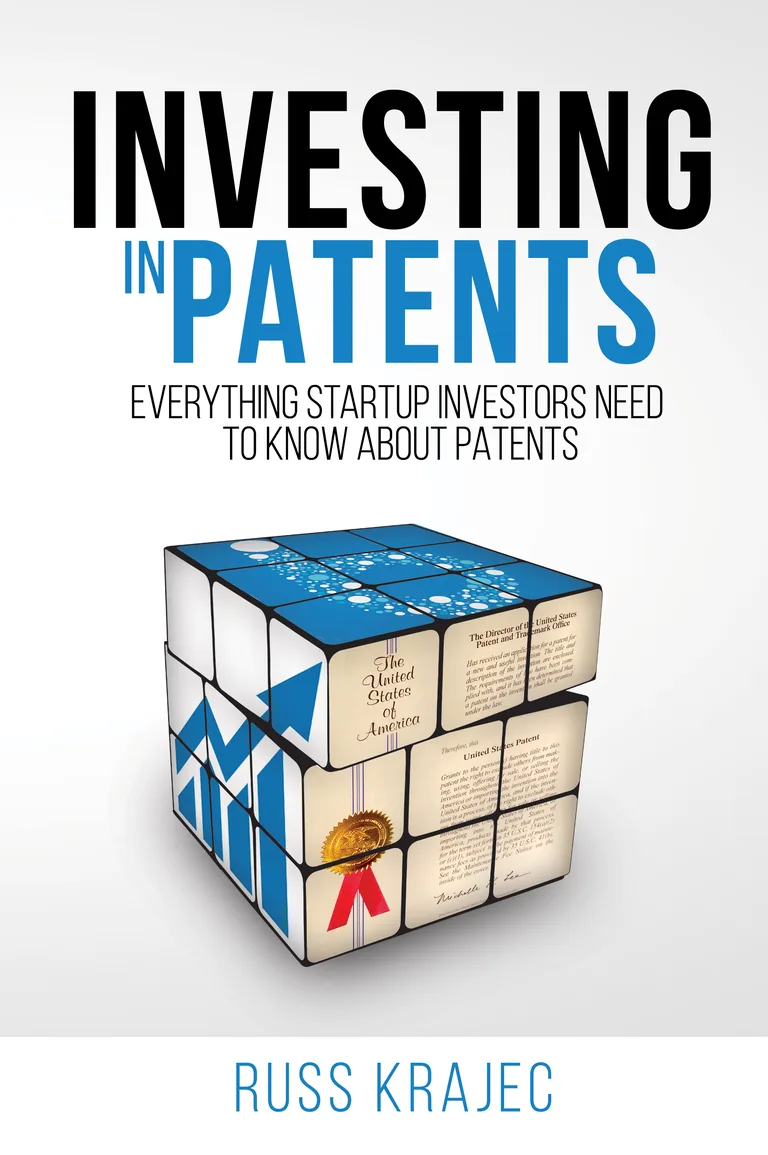
Patents that work as assets.
Why most patents carry little value, and how the rubric they are drafted against decides whether they do work later. The decision framework that separates investment-grade patents from expensive paperwork. The book behind the practice and the lending pillar.
MPEP, annotated
The Manual of Patent Examining Procedure with practitioner notes that the official version omits.
Open →Plain-language answers
The questions CEOs and CFOs ask about patents, answered in plain language.
Open →Investing in Patents
Read free online. The decision framework that separates investment-grade patents from expensive paperwork.
Open →Thirty minutes. Analysis of your IP and the business.
Whether you are thinking about IP-backed lending, getting the IP in order, or want a sense of where you stand, that is the call.